The Role of Seating in the Guest Experience
Seating is one of the most influential elements in event design, shaping how guests interact with both the space and one another. From ceremonies to dining and beyond, chairs play a central role in defining comfort, flow, and visual cohesion.
Well-chosen seating supports the overall design and ensures guests feel at ease throughout the event. Whether guests are seated for an extended dinner, a brief ceremony, or intermittent moments of rest, the quality and style of the chair directly impact how they experience the occasion.
Beyond function, seating contributes to the emotional tone of an event. Clean, cohesive rows can create a sense of structure and anticipation, while more relaxed, varied arrangements encourage conversation and ease. In this way, chairs are not passive elements; they actively shape how guests feel, move, and engage within the environment.
Table of Contents
- What Is the Difference Between Dining and Event Chairs?
- Flexibility Across Indoor and Outdoor Settings
- What Types of Chairs Does Relics Specialize In?
- Mixing Styles for Visual Depth
- Designing Seating That Supports Comfort
- Supporting Flow and Movement
- Aligning Seating with Overall Design
- Choosing the Right Chairs for Your Event
- Elevating Events Through Thoughtful Seating
What Is the Difference Between Dining and Event Chairs?
In practice, most chairs can serve both dining and event functions. The distinction lies more in how they are used than in their design, allowing for flexibility across a wide range of event formats.
Chairs may be arranged for:
Formal dining settings
These layouts prioritize alignment, spacing, and comfort for extended seating periods. Chairs in this context must pair seamlessly with table height and design while maintaining a polished, cohesive look.
Ceremony seating
Ceremony arrangements often emphasize uniformity and sightlines, to ensure every guest has a clear view. Chairs are typically arranged in rows or arcs, contributing to a sense of order and shared focus.
Flexible event layouts
For cocktail-style or hybrid events, chairs may be used more sparingly or repositioned throughout the event. This flexibility allows seating to adapt to changing needs without disrupting the overall design.
This versatility allows planners to adapt seating to a wide range of event formats. Rather than sourcing entirely different inventories, thoughtfully selected chairs can transition across multiple uses within a single event.
Flexibility Across Indoor and Outdoor Settings
Relics Rentals offers chairs that can be used in both indoor and outdoor environments. This adaptability is particularly valuable for events that transition between spaces or require flexible layouts throughout the day.
Outdoor ceremonies, tented receptions, and indoor dining spaces all present unique considerations, from surface stability to weather resistance. Selecting chairs that perform well across these environments ensures continuity in both function and design.
Folding chairs offer added convenience, enabling efficient setup and breakdown while maintaining a refined appearance. Their portability makes them especially useful for quick transitions, such as moving from ceremony to reception, without sacrificing aesthetic quality.
In dynamic event environments, flexibility is essential. Seating that adapts to different surfaces, layouts, and uses allows planners to focus on the guest experience rather than logistical constraints.
What Types of Chairs Does Relics Specialize In?
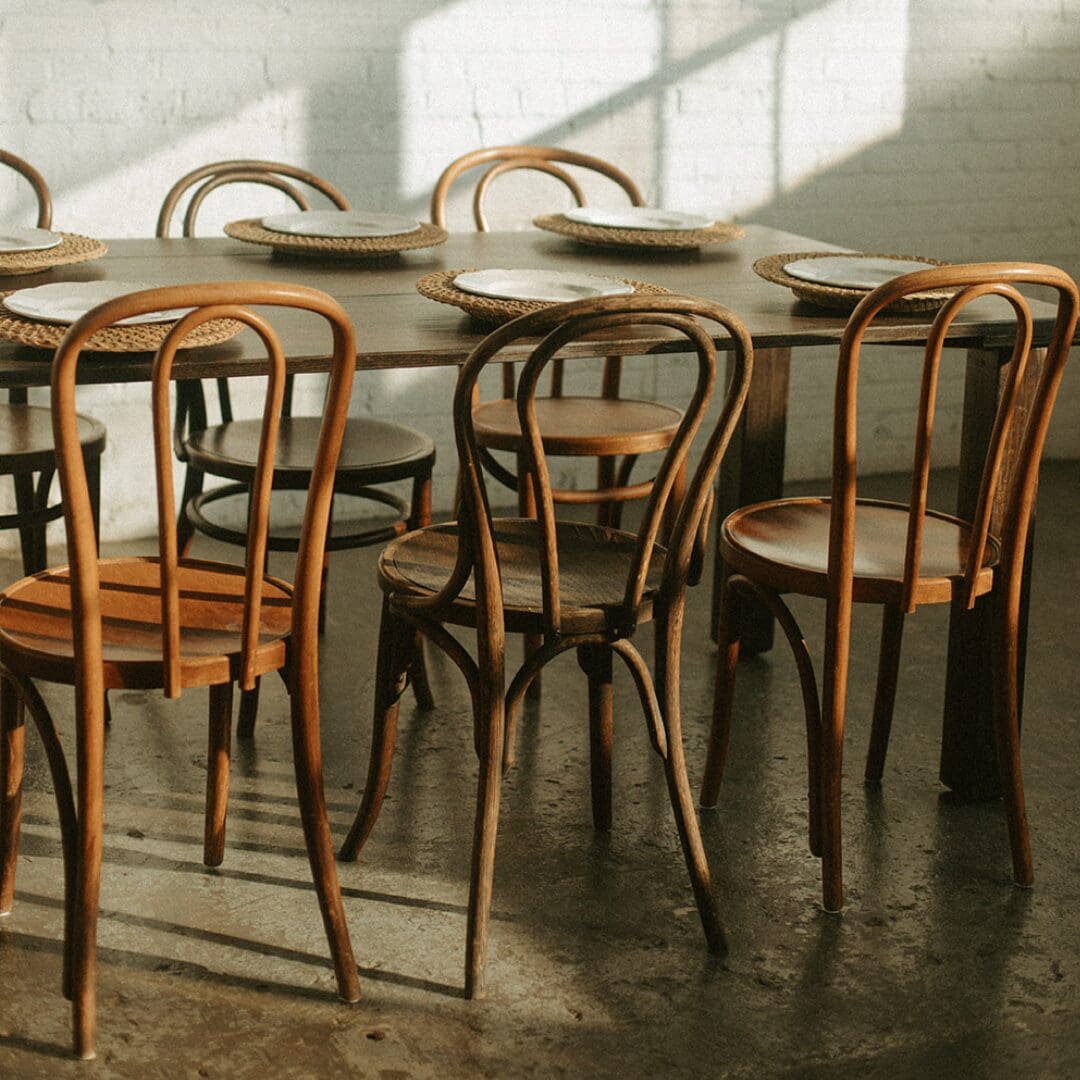
Bentwood Chairs
These chairs work particularly well in environments that call for subtle sophistication. Whether paired with rustic tables or more contemporary decor, bentwood chairs bring a sense of refinement without overwhelming the overall design.
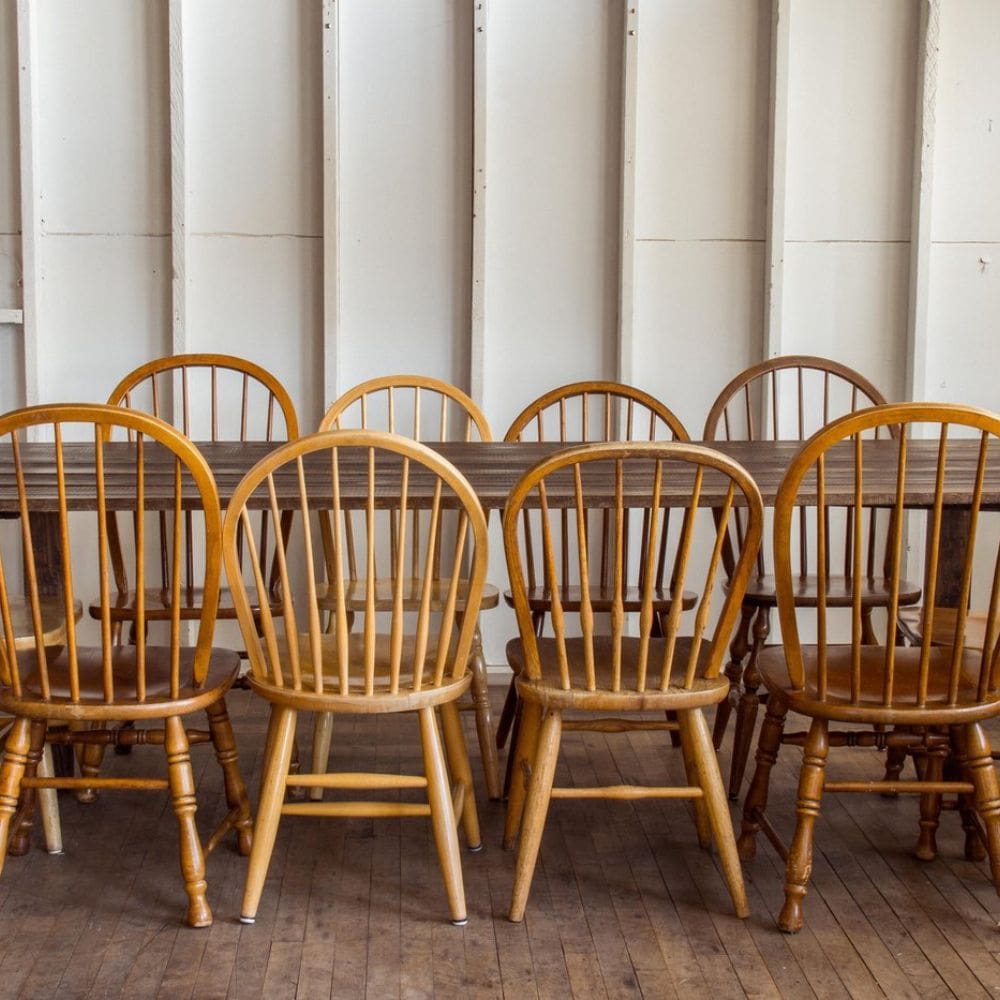
Windsor Chairs
Despite their classic roots, Windsor chairs can be styled in a variety of ways. From heritage-inspired events to more eclectic designs, they provide a grounded, intentional look that complements a wide range of aesthetics.
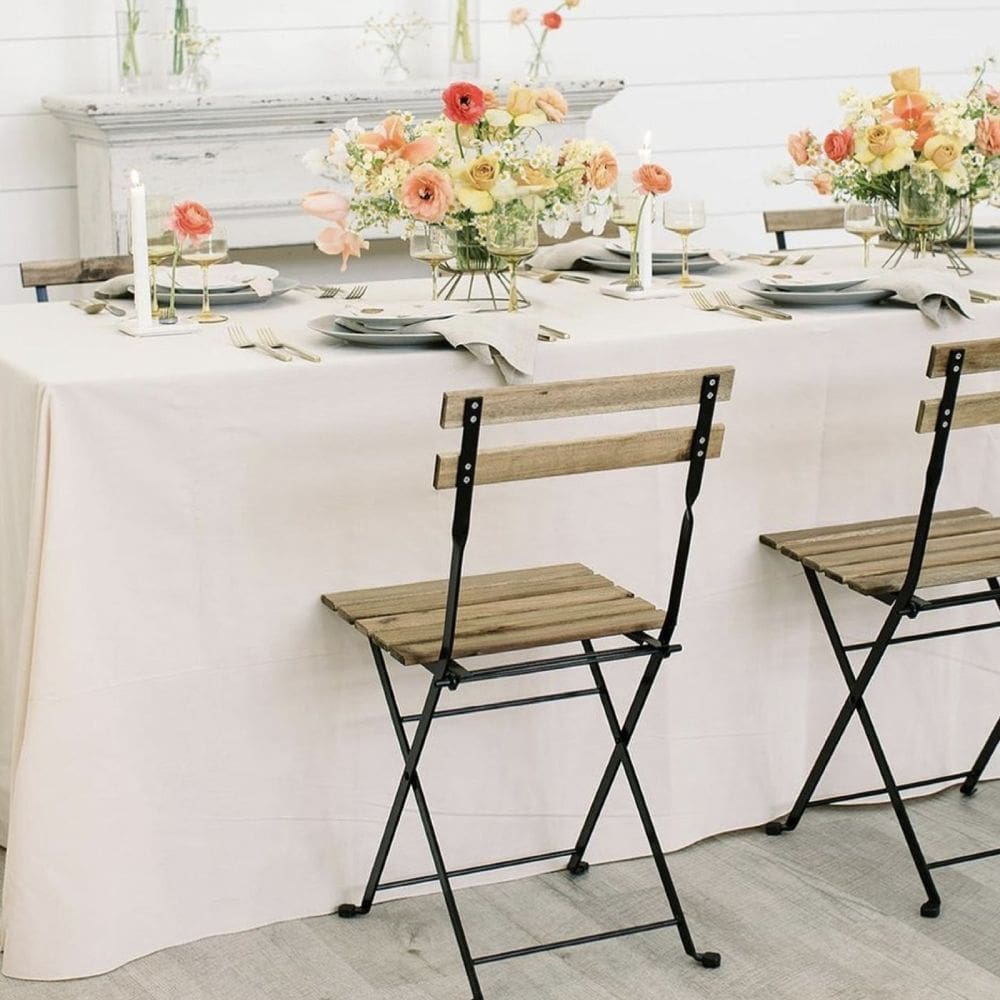
Garden and Cafe Folding Chairs
At the same time, their clean lines and understated design ensure they remain visually cohesive within the broader event aesthetic. This balance of function and form makes them a staple for both casual and elevated gatherings.
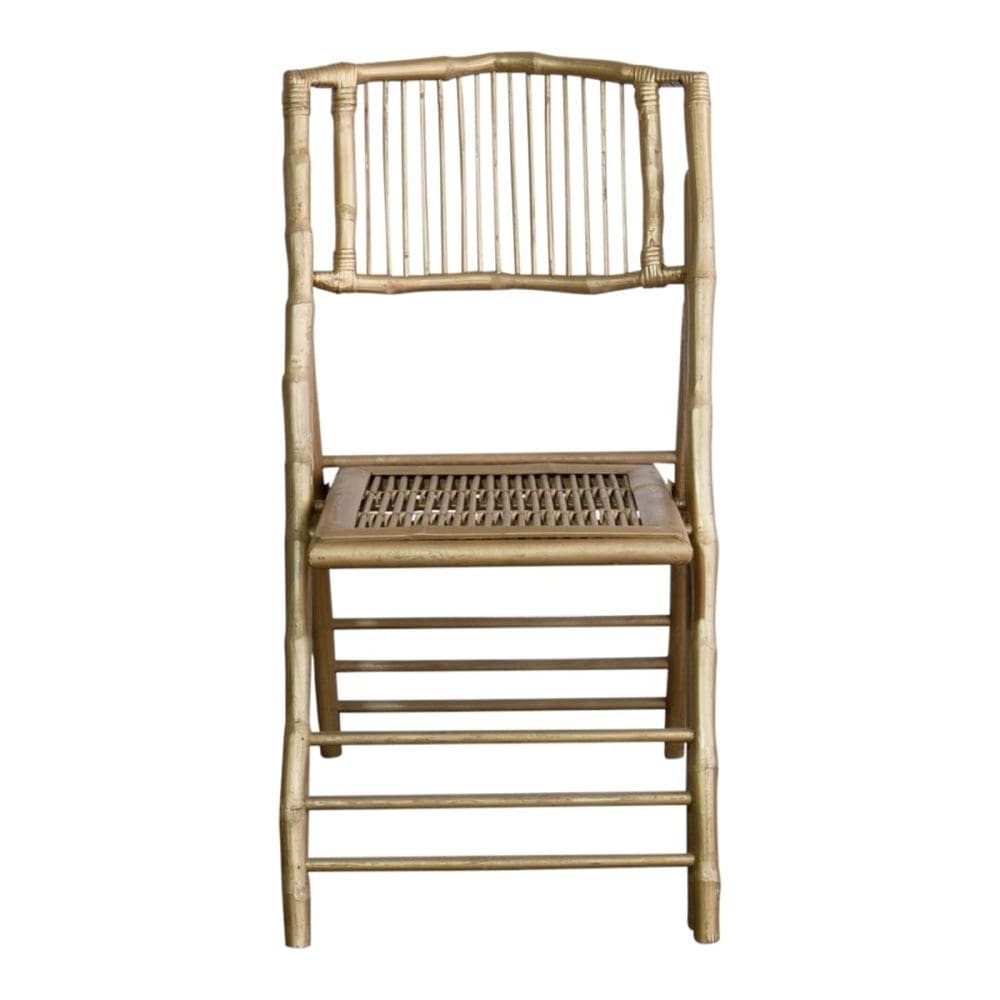
Bamboo and Wicker Styles
They are particularly effective in outdoor or tented settings, where they complement surrounding greenery and natural light. When incorporated thoughtfully, these chairs help create an atmosphere that feels both relaxed and intentional.
Mixing Styles for Visual Depth
Combining different chair styles can create a layered, intentional look. When done thoughtfully, this approach enhances the overall design without sacrificing cohesion.
Mixing styles allows planners to define different areas within the same event. For example, ceremony seating may feature uniform chairs for visual clarity, while dining areas incorporate a blend of styles to create texture and interest.
The key to successful mixing lies in maintaining a unifying element. This might include a consistent color palette, material finish, or overall design tone that ties the different pieces together.
Rather than appearing mismatched, well-curated combinations feel dynamic and considered. This approach adds depth to the environment, making the event space more visually engaging and memorable.
Designing Seating That Supports Comfort
Comfort is essential to the guest experience. Chairs should provide adequate support while aligning with the duration and nature of the event.
For longer seated experiences, such as multi-course dinners or extended ceremonies, ergonomic considerations become especially important. The right chair encourages guests to relax and remain present, rather than becoming distracted by discomfort.
Guests who feel comfortable are more likely to remain engaged and enjoy the experience fully. This not only enhances their individual experience but also contributes to the event’s overall energy and flow.
Incorporating cushions, selecting appropriate seat heights, and ensuring stable placement are all small details that collectively make a significant impact. Comfort should never be an afterthought; it is a foundational element of thoughtful event design.
Supporting Flow and Movement
Seating arrangements should allow for easy circulation. Clear pathways and thoughtful spacing ensure guests can move freely without disrupting the event’s flow.
Well-planned layouts consider how guests will enter, exit, and navigate the space. This includes access to dining areas, bars, restrooms, and transitional spaces between event areas.
Crowded or poorly arranged seating can create bottlenecks and interrupt the guest experience. By contrast, intentional spacing supports a natural rhythm, allowing the event to unfold seamlessly.
Strategic placement of chairs can also guide movement, subtly directing guests through the space. In this way, seating becomes a tool for shaping both physical flow and overall experience.
Aligning Seating with Overall Design
Chairs should complement tables, decor, and the broader aesthetic. Consistency in materials, finishes, and proportions helps create a unified environment.
Rather than selecting seating in isolation, it should be considered as part of the complete design palette. The relationship between chairs and other elements, such as linens, tabletop details, and architectural features, significantly shapes the overall visual impact.
Even subtle mismatches can disrupt cohesion, while well-aligned elements create a sense of harmony. This attention to detail elevates the event, making the design feel intentional and complete.
When seating aligns with the broader vision, it enhances rather than competes with other design elements. The result is an environment that feels immersive, balanced, and thoughtfully curated.
Choosing the Right Chairs for Your Event
Consider the Venue
Indoor and outdoor settings may require different materials and configurations. Factors such as flooring, weather exposure, and spatial constraints should all inform seating decisions.
Think About Guest Count
The scale of the event will influence both the number of seats and their arrangement. Larger events may benefit from streamlined setups, while smaller gatherings allow for more variation and detail.
Balance Aesthetics and Functionality
The most effective seating solutions achieve both visual impact and practical usability. Chairs should enhance the design while meeting the event’s functional needs.
Taking a holistic approach ensures that seating supports every aspect of the event. From logistics to aesthetics, each decision contributes to the overall success of the experience.
Elevating Events Through Thoughtful Seating
Seating is a defining element of the event experience. From shaping guest comfort to reinforcing design cohesion, chairs play a central role in how an event is perceived and enjoyed.
By selecting seating that aligns with both functional needs and aesthetic goals, planners can create environments that feel intentional and inviting. Every detail, from material choice to arrangement, contributes to a cohesive and memorable experience.
Relics Rentals offers a curated selection of seating options designed to meet these needs. With a focus on quality, versatility, and design-forward pieces, their collection supports events that are as comfortable as they are visually compelling.
Relics Rentals | Milwaukee, WI | (262) 227-3003 | [email protected]