The Foundational Role of Tables in Event Design
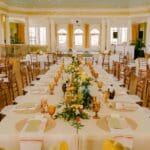
Tables are the structural backbone of any event layout. They influence how guests gather, interact, and move throughout the space, shaping both the visual composition and overall experience. From the first impression at entry to the final moments of the event, tables quietly guide behavior, signaling where to sit, mingle, and engage.
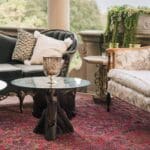
When selected thoughtfully, tables contribute to a cohesive environment that feels both functional and refined. Their scale, materiality, and placement all play a role in establishing tone, whether that’s formal and elevated or relaxed and communal. Beyond aesthetics, tables also support the logistical needs of an event, accommodating dining service, decor installations, and interactive elements.
When these considerations are aligned, tables become more than furniture; they become an integral design tool that anchors the entire experience.
Table of Contents
- What Range of Tables Does Relics Offer?
- Do You Offer Sustainable Table Options?
- What Tables Are Best for Outdoor Events?
- Seating and Tables That Support Comfort and Conversation
- Matching Table Shapes to Guest Experience
- Planning Seating with Movement in Mind
- Designing Tables That Feel Intentional
- Bringing Structure to the Event Experience
What Range of Tables Does Relics Offer?
Relics Rentals provides a wide range of table options, including:
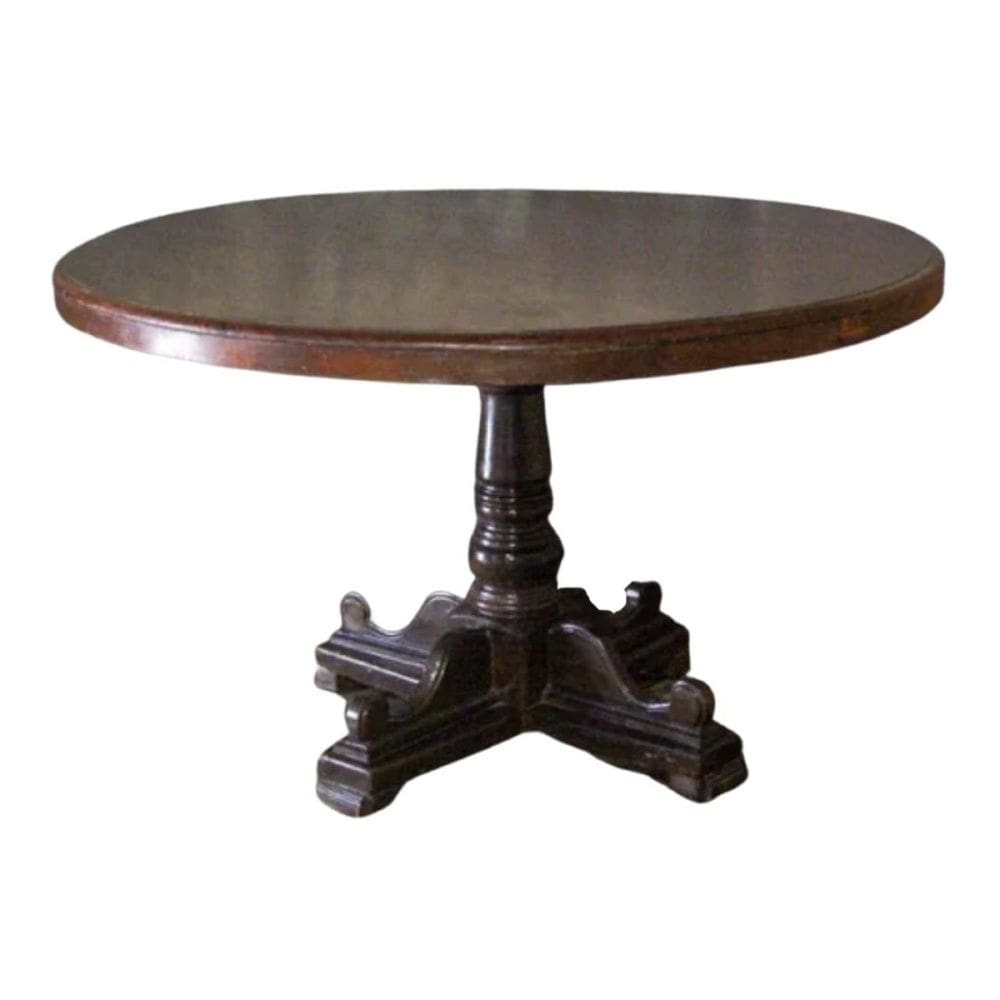
Round dining tables
Ideal for fostering intimate conversation, they allow all guests seated to maintain equal visibility and engagement with one another. Their symmetrical shape also softens a space’s layout, making them especially effective in formal dining environments or weddings where balance and elegance are key.
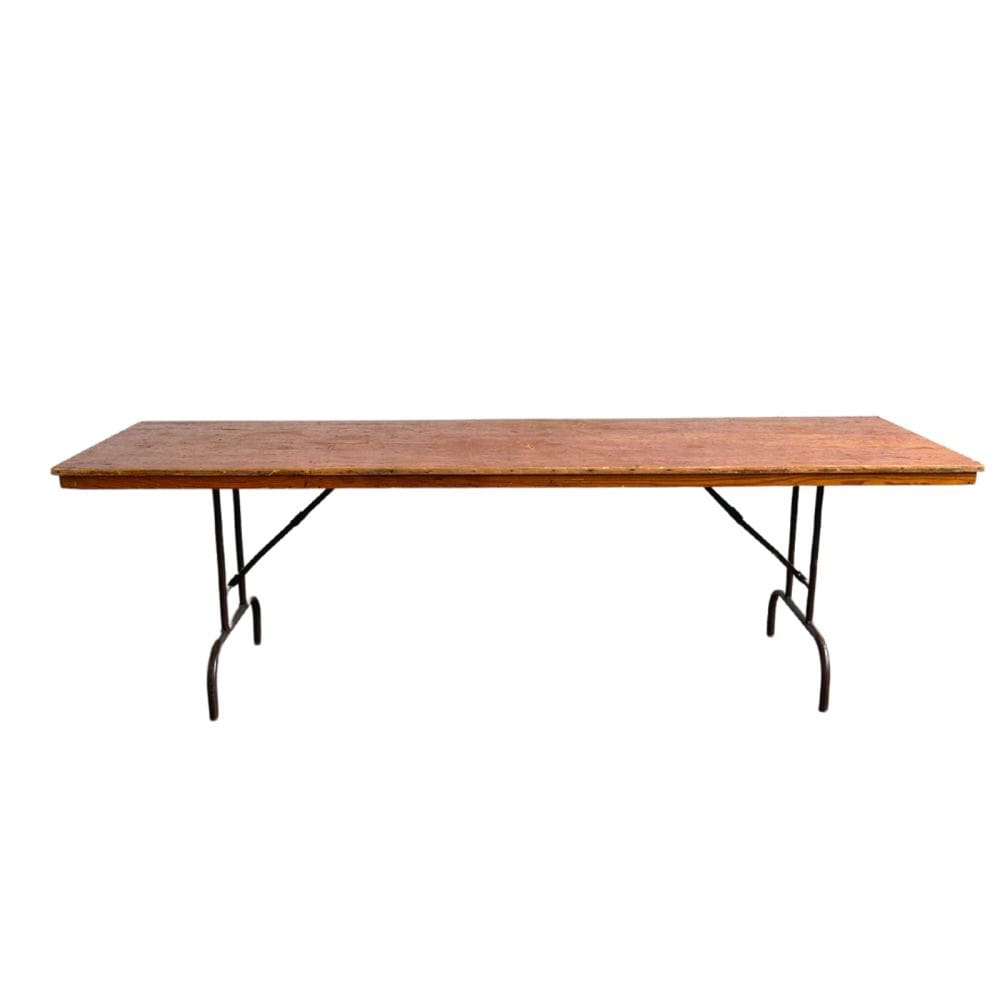
Rectangular banquet tables
Rectangular banquet tables offer a versatile foundation for both dining and multi-purpose setups, easily adapting to different layouts and capacities. Their linear structure makes them particularly efficient for maximizing space while maintaining a clean, organized aesthetic.
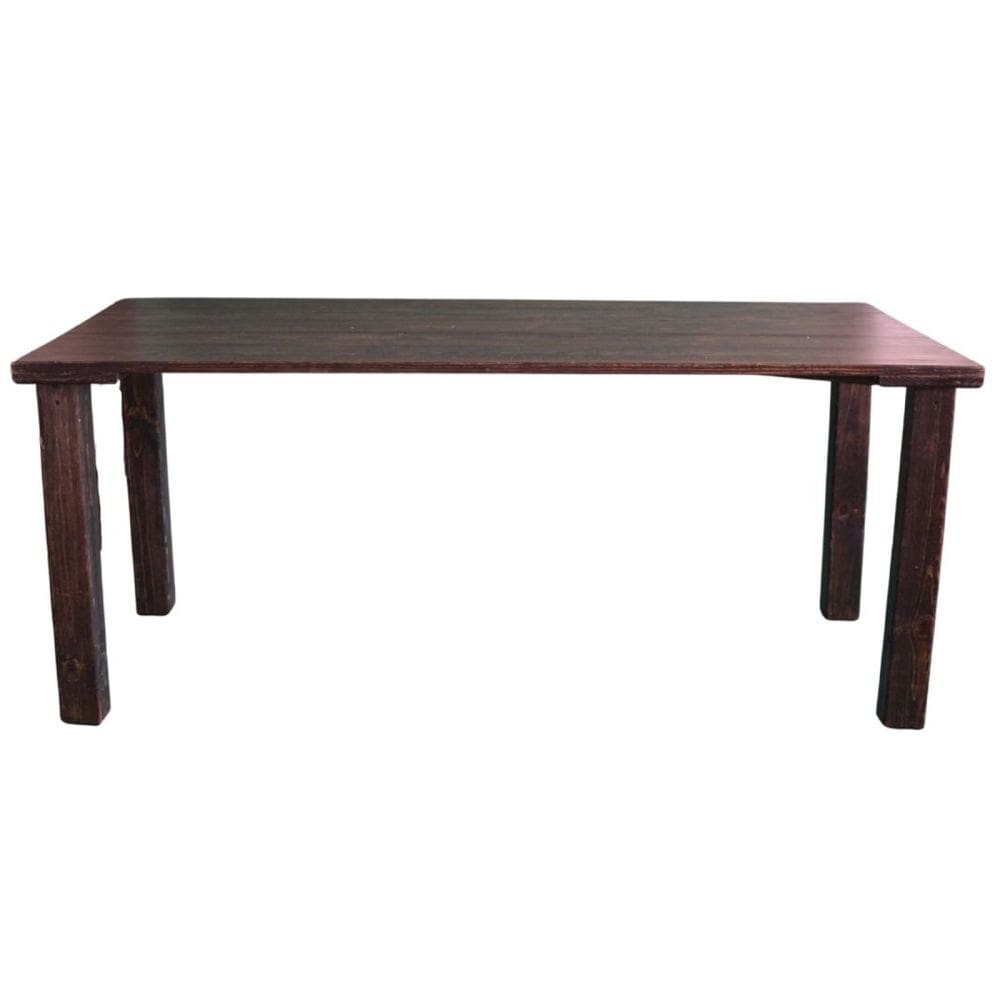
Harvest tables
Harvest tables bring a natural, communal feel to event design, often featuring wood finishes that add warmth and texture. Their elongated form encourages shared experiences, making them a popular choice for family-style dining and events that prioritize connection.
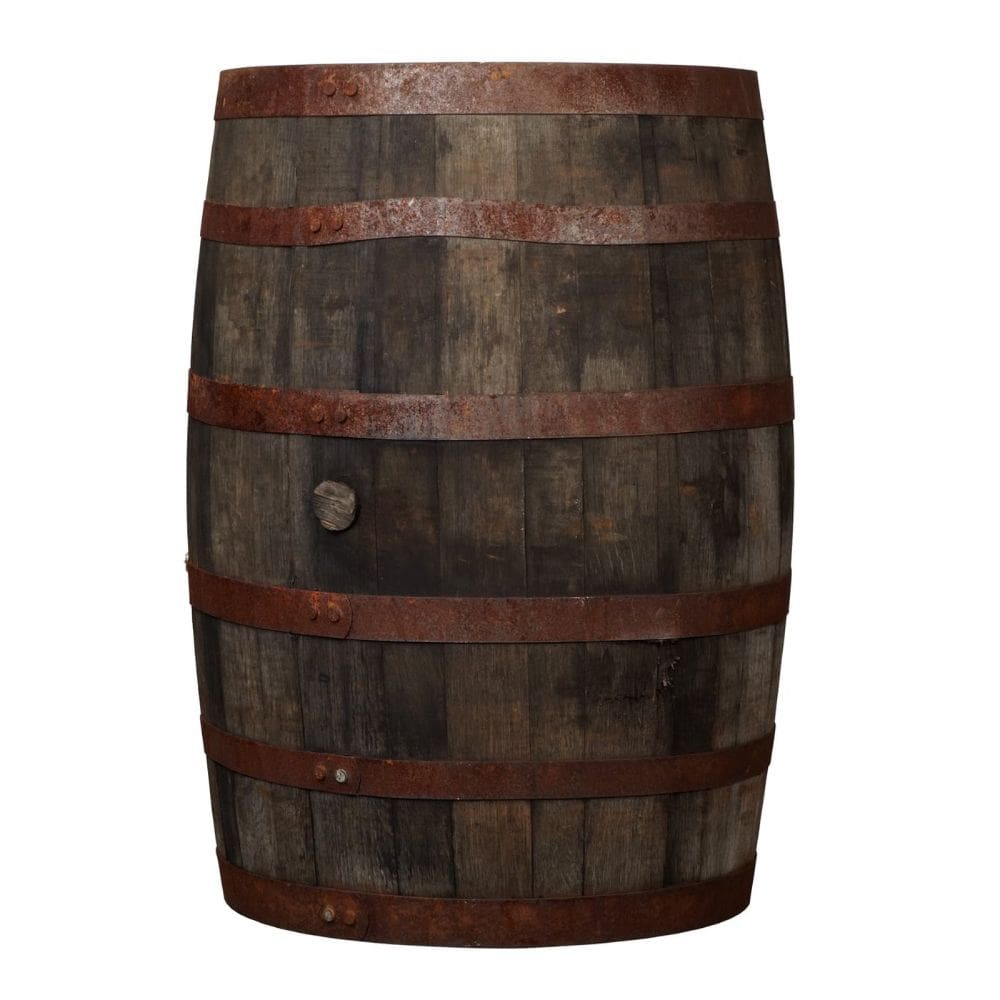
Cocktail tables
Designed for standing-height interaction, they create casual gathering points that encourage movement and mingling. They are especially useful in reception-style events, where flexibility and flow take precedence over a seated structure.
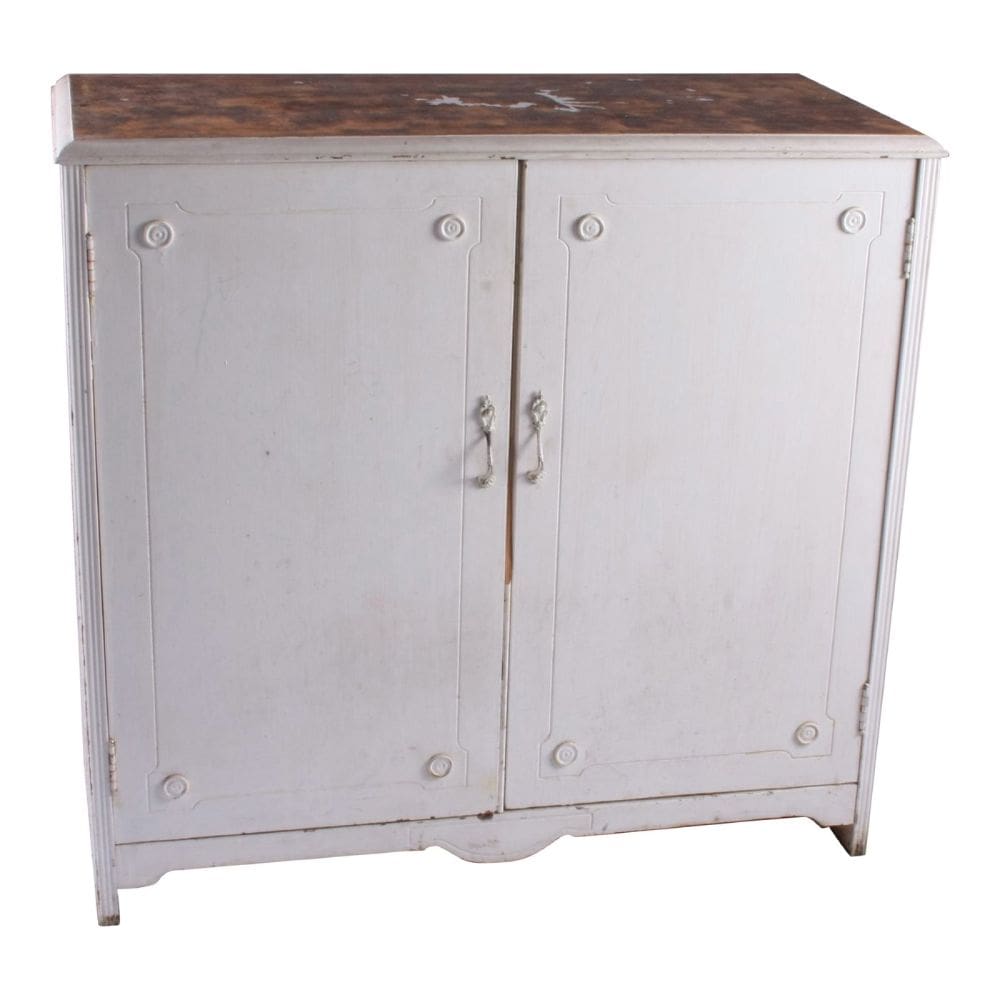
Specialty tables
Specialty tables serve unique purposes within an event, from statement pieces like bars and display tables to functional elements such as registration or dessert stations. These tables allow planners to introduce visual interest while supporting specific moments within the event experience.
Round dining tables
Ideal for fostering intimate conversation, they allow all guests seated to maintain equal visibility and engagement with one another. Their symmetrical shape also softens a space’s layout, making them especially effective in formal dining environments or weddings where balance and elegance are key.
Rectangular banquet tables
Rectangular banquet tables offer a versatile foundation for both dining and multi-purpose setups, easily adapting to different layouts and capacities. Their linear structure makes them particularly efficient for maximizing space while maintaining a clean, organized aesthetic.
Harvest tables
Harvest tables bring a natural, communal feel to event design, often featuring wood finishes that add warmth and texture. Their elongated form encourages shared experiences, making them a popular choice for family-style dining and events that prioritize connection.
Cocktail tables
Designed for standing-height interaction, they create casual gathering points that encourage movement and mingling. They are especially useful in reception-style events, where flexibility and flow take precedence over a seated structure.
Specialty tables
Specialty tables serve unique purposes within an event, from statement pieces like bars and display tables to functional elements such as registration or dessert stations. These tables allow planners to introduce visual interest while supporting specific moments within the event experience.
Do You Offer Sustainable Table Options?
Renting tables supports a more sustainable approach to event planning by reducing the need for single-use furnishings. Instead of purchasing items that may only be used once, rental inventory is designed for longevity, minimizing waste and promoting more responsible resource use.
Relics Rentals’ inventory is built for repeated use, which contributes to a more thoughtful, resource-conscious process. Each piece is maintained and reused across multiple events, extending its lifecycle and reducing environmental impact. For planners and clients who prioritize sustainability, choosing rental tables is a practical way to align design decisions with broader environmental values, without sacrificing quality or aesthetic appeal.
What Tables Are Best for Outdoor Events?
Harvest tables are a popular choice for outdoor settings. Their elongated form creates a communal atmosphere, encouraging interaction and shared experiences. The natural materials often associated with harvest tables also complement outdoor environments, blending seamlessly with surrounding landscapes.
They are particularly effective in open-air environments and tented spaces, where their scale helps define structure within a more expansive setting. In addition to their aesthetic appeal, harvest tables are highly functional for outdoor dining, offering ample surface area for family-style service and decorative elements. When paired with thoughtful seating and lighting, they help create an inviting, grounded environment that feels both intentional and connected to its surroundings.
Seating and Tables That Support Comfort and Conversation
Seating and tables shape how guests experience the event from the moment they arrive. They influence where people gather, how long they stay, and how easily the event flows. A well-considered table layout encourages natural interaction, helping guests feel comfortable navigating the space and engaging with one another.
Comfort is just as important as style. When guests feel at ease, they are more likely to engage fully with the experience, whether that means lingering over a meal, participating in conversation, or moving fluidly between different areas of the event.
Tables play a critical role in this balance, providing both physical support and subtle cues about how the event is meant to unfold. When paired effectively with seating, they create an environment that feels welcoming, intuitive, and thoughtfully designed.
Matching Table Shapes to Guest Experience
Table shape plays a subtle but important role in defining the atmosphere. Different configurations can influence not only how a space looks, but how it feels and functions for guests.
Round tables encourage smaller, intimate conversations
The circular design allows guests to face one another equally, creating a more inclusive and conversational environment. This makes round tables especially well-suited for formal dinners, weddings, and events where relationship-building is a priority.
Long tables create a communal, shared experience
Long tables naturally bring people together in a shared setting, fostering a sense of connection and collective participation. They are particularly effective for events that emphasize storytelling, collaboration, or a more relaxed, family-style atmosphere.
A combination of both can provide flexibility while maintaining cohesion
Blending table shapes allows planners to create distinct zones within a single event, accommodating different types of interaction. This approach supports a more dynamic experience, offering guests the freedom to engage in ways that feel most comfortable to them.
By aligning table shapes with the intended guest experience, planners can subtly guide the event’s tone while maintaining visual harmony throughout the space.
Planning Seating with Movement in Mind
Effective layouts prioritize movement and accessibility. While tables provide structure, they should never restrict the natural flow of the event. Instead, they should work in harmony with pathways, service areas, and focal points to create a seamless experience.
Clear pathways allow for easy navigation
Well-defined walkways ensure that guests can move comfortably throughout the space without disruption or confusion. This is particularly important in larger events, where intuitive navigation enhances the overall guest experience.
Thoughtful spacing enhances comfort
Adequate distance between tables prevents overcrowding and allows guests to feel relaxed in their surroundings. It also ensures that seating arrangements remain functional, accommodating both guest movement and service needs.
Strategic placement supports service flow
Positioning tables with service in mind helps staff operate efficiently, minimizing interruptions and maintaining a smooth event rhythm. This includes considerations such as proximity to kitchens, bars, and staging areas.
These elements ensure that the event feels intuitive and well-organized. When movement is carefully considered, guests are free to focus on the experience itself, rather than navigating logistical challenges.
Designing Tables That Feel Intentional
Tables should align with the broader event design, complementing seating, decor, and spatial layout. Every element, from material and finish to scale and placement, should contribute to a cohesive visual narrative.
Consistency in materials and finishes helps create a unified look, whether that means coordinating wood tones, metals, or linens. At the same time, thoughtful variation can add depth and interest, preventing the design from feeling overly uniform. For example, pairing natural wood tables with soft textiles or incorporating contrasting tabletop elements can create a layered, visually engaging environment.
Intentional table design also considers how decor interacts with the surface. Centerpieces, place settings, and functional elements like menus or signage should feel integrated rather than added on. When these details are aligned, tables become a canvas for the overall design vision, reinforcing the event’s aesthetic while supporting its functionality.
Bringing Structure to the Event Experience
Tables often define the rhythm and structure of an event. They establish zones, guide movement, and support both social interaction and operational flow. When carefully selected and arranged, they help create an environment that feels balanced, cohesive, and engaging.
Relics Rentals offers a range of table options that balance functionality and design integrity, helping planners create environments that feel cohesive, intentional, and engaging. Whether the goal is to design an intimate gathering or a large-scale event, the right tables provide a foundation that brings every element together, ensuring the experience feels as seamless as it is memorable.
Relics Rentals | Milwaukee, WI | (262) 227-3003 | [email protected]