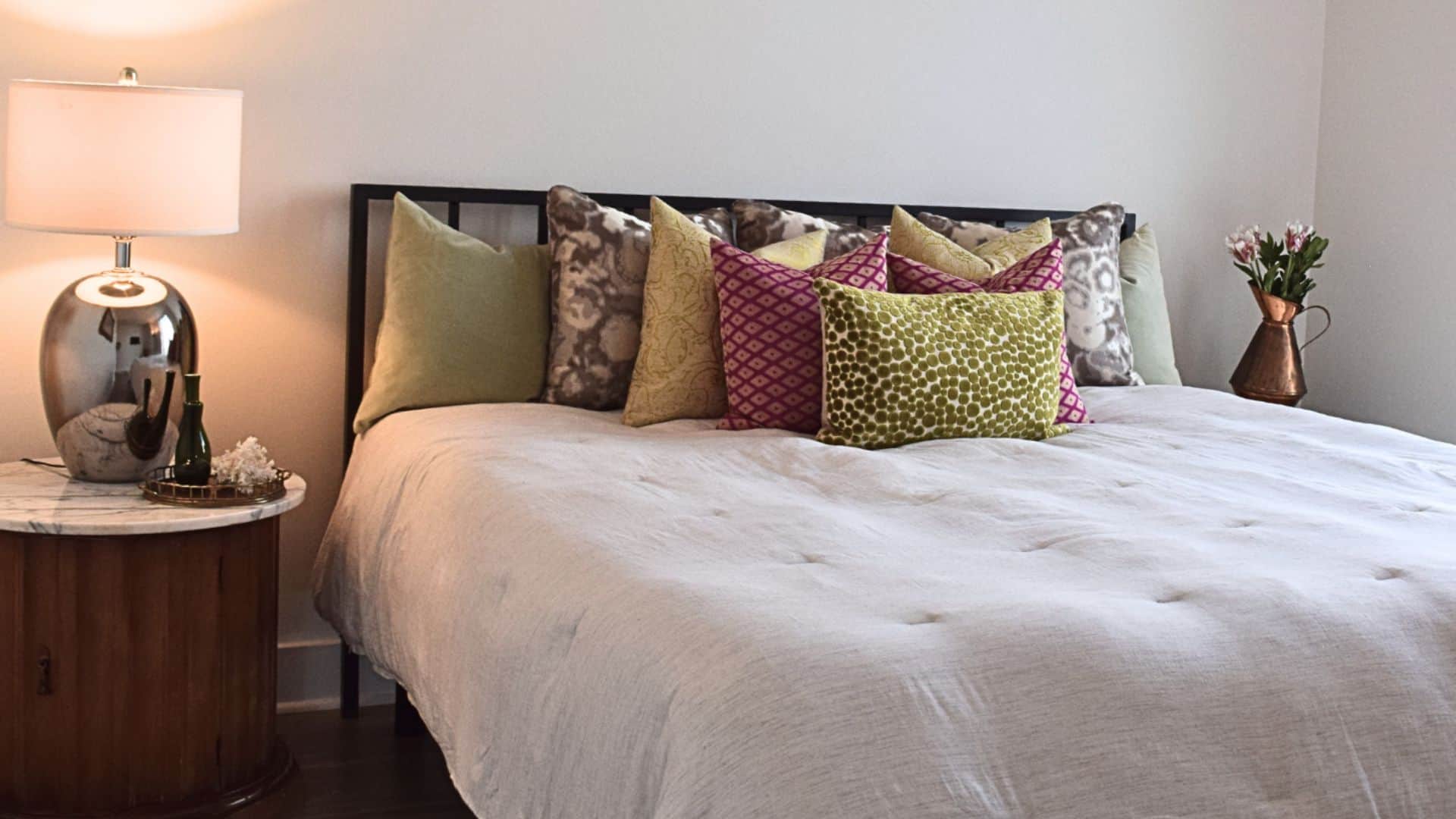
Corporate housing has evolved well beyond basic, utilitarian accommodations. Today’s relocating executives, traveling professionals, and long-term temporary residents expect fully furnished environments that feel intentional, livable, and consistent with premium residential standards. Corporate furniture leasing plays a critical role in meeting those expectations, offering flexibility, speed, and consistency without the burdens of ownership.
This guide breaks down what corporate housing furniture leasing is, who uses it, what’s typically included, and why businesses across industries rely on leasing partners like Relics Rentals to furnish short- and long-term residential spaces at scale.
Table of Contents
- What Corporate Furniture Leasing Is
- Short-Term vs. Long-Term Leasing
- Who Uses Corporate Furniture Leasing
- What’s Typically Included in a Lease
- Turnkey Solutions for Property Managers
- How the Leasing Process Works
- Why Businesses Choose Leasing Over Ownership
- Industries That Depend on Corporate Leasing
- Corporate Housing Solutions by Relics
What Corporate Furniture Leasing Is
Corporate furniture leasing is the practice of providing fully functional residential furnishings for temporary or extended living environments without requiring ownership. Unlike event furniture rentals, which are designed for short-duration experiences, aesthetic impact, and rapid turnover, corporate leasing supports real, day-to-day living.
These furnishings are installed in apartments, condos, executive housing, or single-family residences and are intended to remain in place for weeks, months, or even years. Pieces are selected for durability, comfort, and livability rather than visual novelty alone. The goal is to create a cohesive, move-in-ready home environment that supports work, rest, and daily routines.
Another key distinction is continuity. Corporate furniture leasing emphasizes consistency across multiple units, locations, or phases of occupancy. This is especially important for relocation firms, property managers, and HR teams managing multiple occupants over time. While event rentals prioritize impact for a single moment, corporate furniture leasing prioritizes function, longevity, and residential quality, making it an essential solution for corporate housing, executive living, and long-term temporary accommodations.
Short-Term vs. Long-Term Leasing
Corporate furniture leasing typically falls into two categories: short-term and long-term leasing. While both serve residential environments, they are structured to support different timelines and operational needs.
Short-term leasing is most commonly used for stays ranging from a few weeks to a few months. It supports relocation transitions, temporary assignments, project-based housing, and interim living situations where flexibility is critical.
Long-term leasing typically covers stays of several months to several years. These arrangements are often used for executive housing, extended corporate assignments, or stabilized temporary residences where consistency and durability matter most.
Both models allow organizations to furnish residential spaces quickly without capital investment, but the scope, refresh cycles, and planning considerations differ. Many organizations utilize a mix of both depending on project duration, occupancy forecasts, and mobility needs.
Helpful Read/Information: Short-Term vs. Long-Term Furniture Leasing: What’s Right for Your Project?
Who Uses Corporate Furniture Leasing
Corporate furniture leasing supports a wide range of professional and institutional use cases, all centered on temporary or transitional living.
Corporate relocation firms rely on leased furnishings to ensure incoming employees experience a smooth transition, regardless of assignment length. Fully furnished housing reduces friction during relocations and helps employees settle quickly.
Traveling executives and consultants often require high-quality, furnished residences that reflect their professional standards. Leasing ensures consistency across cities while avoiding the logistics of moving personal furniture.
Healthcare and sports professionals, including traveling nurses, physicians, and athletes, frequently occupy short to mid-term housing near hospitals, training facilities, or arenas. Furniture leasing allows housing coordinators to adapt quickly to fluctuating schedules.
Individuals displaced by construction delays, renovations, or insurance-related housing needs also benefit from leased furnishings. These situations require immediate, livable environments without long-term commitments, making leasing the most efficient solution.
Across all scenarios, furniture leasing supports continuity, speed, and residential comfort.
What’s Typically Included in a Lease
Corporate housing furniture leases focus on essential residential furnishings that allow occupants to live comfortably from day one. Packages are intentionally comprehensive without being decor-heavy.
Most leases include beds and mattresses sized appropriately for each bedroom, selected for durability and everyday comfort. Sofas, lounge chairs, and additional seating create functional living room layouts that support both relaxation and informal work.
Dining tables and chairs support daily meals and in-home meetings, while bedroom case goods, such as nightstands and dressers, provide adequate storage. Lighting, including floor and table lamps, is incorporated to create functional, well-lit spaces without reliance on overhead fixtures alone.
Minimal artwork or wall accents may be included to prevent spaces from feeling unfinished, though the emphasis remains on livability rather than decorative styling. Depending on the lease, essentials such as desks, media consoles, or area rugs may also be provided to align with the unit’s layout and intended use.
Turnkey Solutions for Property Managers
For property managers and luxury apartment operators, corporate furniture leasing offers a turnkey solution that accelerates leasing velocity and maintains brand consistency.
Model units benefit from professionally furnished layouts that showcase how a space functions at scale. Rather than relying on speculative staging or permanent ownership, leasing allows managers to update or rotate furnishings as floor plans or target demographics evolve.
Pre-leasing showrooms and vacant luxury apartments can be furnished quickly to maintain momentum during lease-up periods. Consistent furniture packages across multiple units help reinforce brand standards while reducing operational complexity.
Speed is critical. Leasing partners like Relics handle delivery, installation, and removal, allowing property teams to focus on leasing and resident experience rather than logistics. Just as important is consistency: every unit reflects the same level of quality, presentation, and functionality, ensuring prospects and residents encounter a cohesive residential brand from first tour to move-in.
How the Leasing Process Works
1. Space Assessment & Planning
Every successful leasing program begins with a detailed space assessment. Floor plans, square footage, layout constraints, and intended residential use are reviewed to ensure furnishings will function appropriately within the environment and support daily living.
2. Curated Product Selection
Based on the assessment, furniture is selected to align with occupancy duration, resident profile, and overall design standards. This step ensures the space feels cohesive, comfortable, and appropriate for real residential use rather than temporary staging.
3. Scheduled Installation & Setup
Once selections are approved, delivery and installation are coordinated and executed efficiently. The goal is a fully furnished, move-in-ready residence that requires no additional setup from occupants or property teams.
4. Flexible Lease Term Management
Lease duration is established upfront, with built-in flexibility to accommodate extensions, early terminations, or unit transitions. This adaptability supports evolving housing needs without disrupting operations.
5. Ongoing Refreshes & Adjustments
Throughout the lease term, refresh cycles or partial updates can be implemented as needed. This allows furnishings to remain consistent, functional, and aligned with changing use cases or resident expectations.
6. Seamless Removal & Turnover
At lease end, furniture removal and turnover are handled smoothly, whether the unit is being cleared, refreshed, or reconfigured for future occupancy. This final step minimizes downtime and ensures continuity for property managers and housing coordinators.
Why Businesses Choose Leasing Over Ownership
Businesses choose corporate furniture leasing because it aligns with modern workforce mobility and operational flexibility. Ownership requires upfront capital, storage planning, and long-term forecasting, none of which adapts easily to changing headcounts or project timelines.
Leasing allows organizations to respond quickly to space transitions, whether expanding into new markets or accommodating temporary assignments. It also mitigates supply chain uncertainty, ensuring furniture availability without long procurement cycles.
As corporate mobility increases, leasing provides a scalable solution that adjusts to employee movement rather than locking organizations into fixed assets. Furnishings can be deployed, redeployed, or removed as needs change, supporting agility without compromising residential quality or consistency.
Industries That Depend on Corporate Leasing
Corporate housing furniture leasing plays a critical role in industries where mobility, project timelines, and workforce flexibility are constant variables. Rather than investing in owned furnishings, organizations rely on leasing to quickly deploy fully furnished residences that meet professional living standards. This approach allows teams to focus on performance and operations while housing logistics remain streamlined and predictable.
Healthcare
Hospitals and healthcare systems use corporate leasing to support traveling nurses, physicians, and specialty clinicians who relocate frequently. Fully furnished housing near medical facilities ensures rapid onboarding while maintaining comfort during extended assignments.
Sports & Athletics
Professional sports teams and leagues depend on furnished housing for athletes, coaches, and support staff during seasons, training camps, and relocations. Leasing provides consistency and privacy while allowing housing arrangements to adapt to roster changes and schedules.
Construction & Development
Construction firms utilize corporate furniture leasing for long-term project housing tied to build timelines and site locations. This ensures teams remain housed near projects without committing to permanent furnishings that may not be needed after completion.
Technology
Technology companies rely on leased furnishings to support rapid expansion, contract-based roles, and short-term project teams in key markets. Corporate leasing allows housing coordinators to scale up or down quickly without disrupting employee experience.
Finance
Financial services firms use executive-level furnished housing for relocations, mergers, and temporary assignments that require discretion and comfort. Leasing supports high standards of privacy and consistency while accommodating frequent transitions.
Corporate Housing Solutions by Relics
Relics Rentals provides corporate housing furniture leasing designed for organizations that value reliability, refinement, and scalability. Our approach supports both short- and long-term residential environments, from executive apartments to multi-unit property portfolios.
With curated inventory, streamlined logistics, and a deep understanding of real residential use, Relics functions as a long-term furnishing partner, not a transactional vendor. We help relocation firms, property managers, and corporate teams furnish with confidence, consistency, and speed.
If your organization requires flexible, executive-level furniture leasing for corporate housing or temporary living environments, Relics Rentals delivers solutions built to move with you, wherever business takes you.
Relics Rentals | Milwaukee, WI
(262) 227-3003
[email protected]